The Complete Guide to Smart Toilets
Elevating hygiene, comfort, and water conservation through advanced technology.
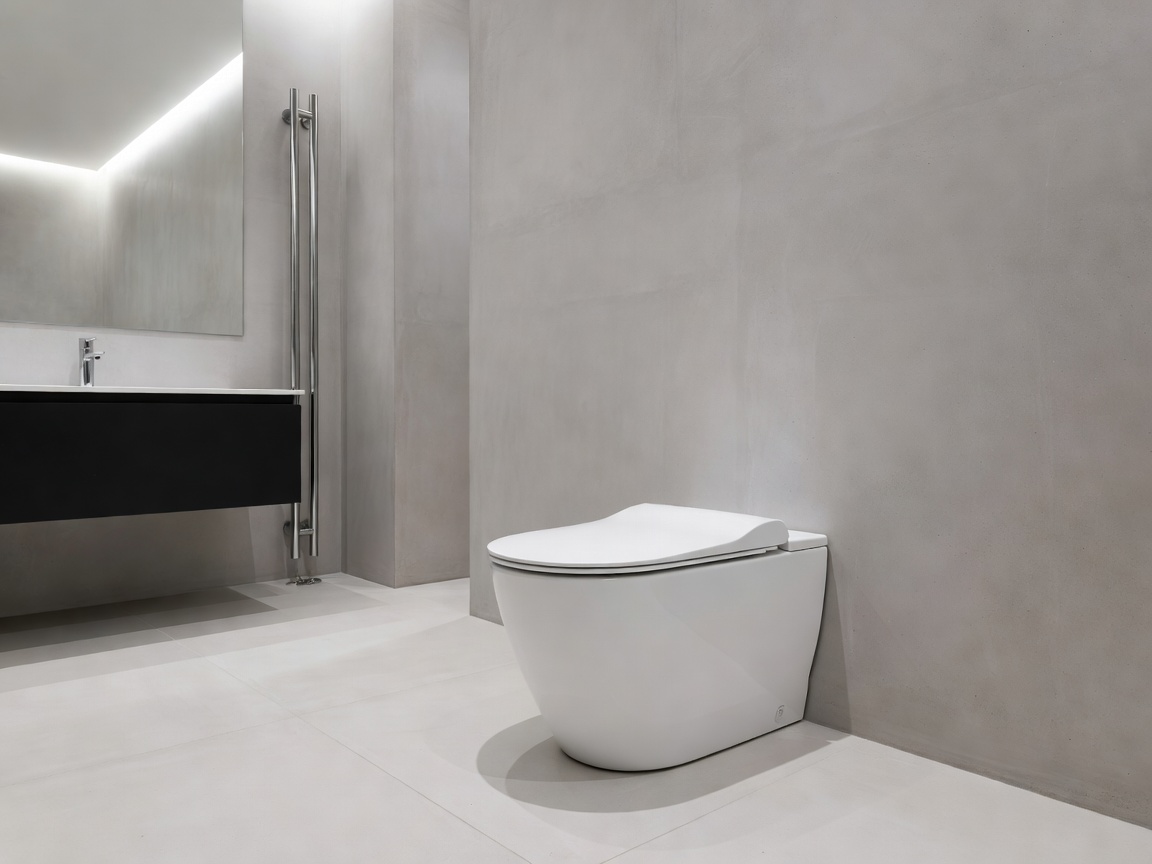
Introduction to Intelligent Sanitation
The toilet is arguably the most essential fixture in any household, yet for decades its design remained largely static. The advent of smart toilets has revolutionized this daily necessity, merging superior hygienic functions with remarkable user comfort. Originally popularized in high-tech markets like Japan, these sophisticated fixtures are rapidly becoming a standard expectation in modern bathroom renovations worldwide.
At their core, smart toilets replace mechanical flush levers and standard seats with automated sensors, heated surfaces, and integrated bidet functionality. This leap in design significantly reduces the need for toilet paper, minimizes physical contact, and offers a tailored experience for every user in the household.
Core Features and Technology
Understanding what distinguishes a smart toilet from a conventional one requires looking at the integrated technology stack. While models vary in their capabilities, several features have become standard markers of a premium smart toilet.
Integrated Bidet and Drying Systems
The defining feature of a smart toilet is the automated wash system. Using dual or single adjustable nozzles, these units provide precise front and rear washing. Users can customize water temperature, pressure, and spray patterns via a wall-mounted remote or mobile app. Following the wash cycle, a warm air dryer eliminates the need for paper, providing a completely hands-free and highly sanitary experience.
Automated Lids and Flushing
Proximity sensors allow the toilet lid to rise automatically as a user approaches and close softly as they depart. This hands-free operation limits the spread of germs. Furthermore, automated flushing ensures the bowl is cleared after every use, often calculating the required water volume based on the duration of use to conserve resources.
Seat Heating and Night Illumination
Cold toilet seats are a thing of the past. Smart models feature adjustable heated seats that maintain a comfortable temperature. Additionally, subtle LED nightlights illuminate the bowl, preventing the need to turn on harsh overhead bathroom lights during nighttime visits, which helps preserve your natural sleep cycle.
Self-Cleaning and Maintenance
One of the most appealing aspects of upgrading to a smart toilet is the reduction in manual cleaning. Many models incorporate advanced bowl designs—such as rimless architecture—that eliminate hiding spots for bacteria. Before and after each use, the bowl is often misted with electrolyzed water or UV-treated water, which prevents waste from adhering to the ceramic surface and neutralizes microscopic pathogens.
The bidet nozzles themselves are self-cleaning, typically running a sterilization cycle with UV light or antibacterial solutions after retraction. This self-maintenance significantly prolongs the lifespan of the fixture while keeping harsh chemical cleaners out of your home's water supply.
Installation Considerations
Unlike standard toilets, smart toilets require electrical power. If you are planning a renovation, an electrical outlet must be installed behind or immediately adjacent to the toilet location. This circuit should ideally be on a GFCI (Ground Fault Circuit Interrupter) breaker for safety in a wet environment.
Water pressure is also a vital consideration. Because many smart toilets feature tankless designs to achieve a sleek, low-profile look, they rely on the home's direct water line pressure to generate a powerful flush. If your home has notoriously low water pressure, you may need to look for hybrid models that include a concealed micro-tank or an internal booster pump.
Evaluating the Investment
The initial cost of a smart toilet is substantially higher than a traditional ceramic bowl, typically ranging from a few hundred dollars for a basic smart seat attachment, to several thousand for a fully integrated, high-end fixture. However, the investment is offset over time through reduced paper goods purchasing and optimized water usage. Most importantly, the dramatic increase in personal hygiene and comfort is a daily luxury that many find invaluable once experienced.