Automated Bathroom Lighting
Creating dynamic atmospheres using intelligent sensors and color-tuning technology.
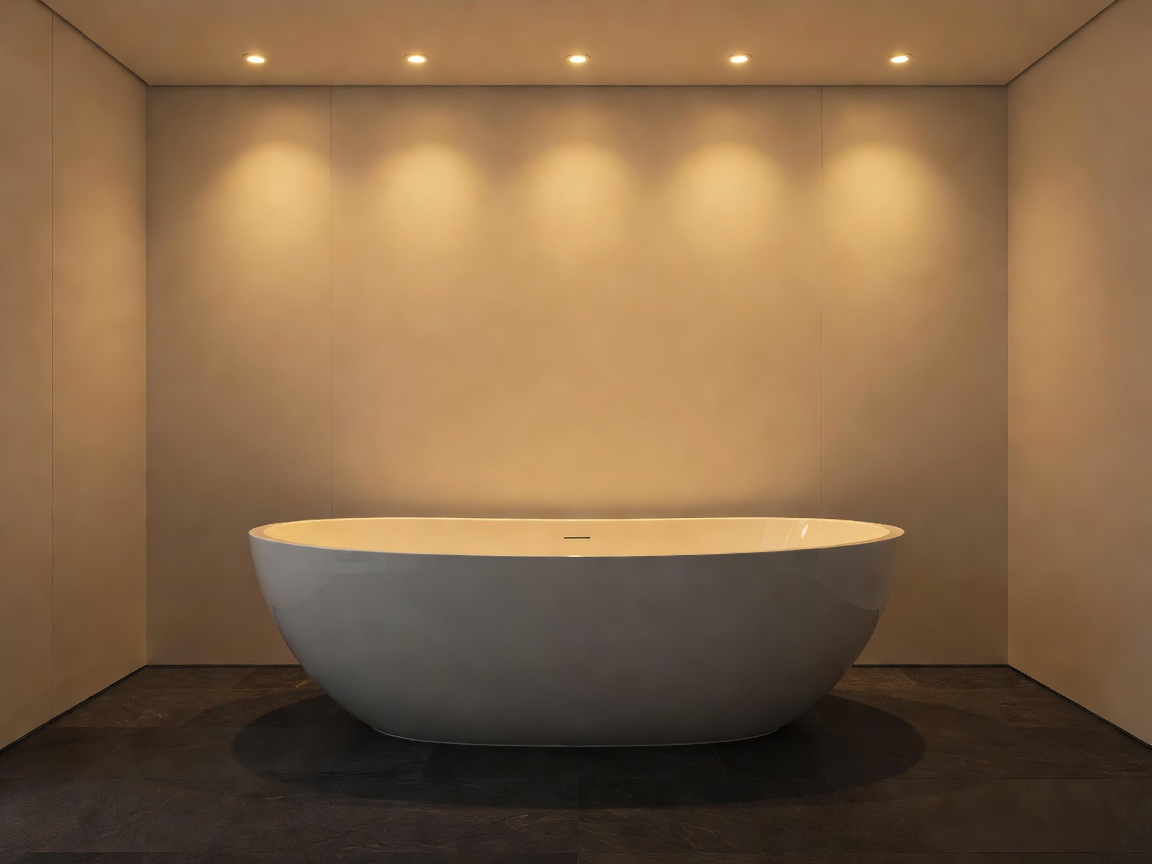
Lighting as a Wellness Tool
Lighting profoundly impacts our mood, energy levels, and biological clocks. In the bathroom, a space where we both start and end our day, static lighting is no longer sufficient. Automated smart lighting adapts the environment to our physiological needs, ensuring bright, energizing light in the morning and soft, relaxing hues in the evening.
By moving beyond simple on/off switches to integrated ecosystems that utilize motion sensors, timers, and color-tunable LEDs, the bathroom can visually transform to suit any specific activity, from precision grooming to a spa-like soak.
Core Elements of Smart Lighting
A truly automated bathroom lighting system relies on several interconnected technologies to function seamlessly without requiring manual intervention.
Circadian Rhythm Tuning
Human biology reacts strongly to the color temperature of light. Blue-toned, bright light suppresses melatonin production, waking us up. Amber-toned, dim light encourages relaxation. Smart lighting systems can be programmed to mirror the natural progression of the sun. Walk into the bathroom at 7:00 AM, and the lights will turn on at a crisp 4000K to energize you. Enter the bathroom at 10:00 PM, and the system outputs a dim, warm 2700K glow, ensuring your sleep cycle remains uninterrupted.
Motion and Occupancy Sensors
Hands-free operation is highly hygienic and incredibly convenient. High-fidelity occupancy sensors detect when you enter the room, instantly triggering a predefined lighting scene based on the time of day. Advanced sensors use microwave or ultrasonic technology rather than basic infrared, meaning they won't plunge you into darkness if you sit still in the bathtub for too long.
Layered Lighting Scenes
A smart system controls multiple light sources independently. You can program custom "scenes" that adjust every fixture simultaneously. A "Shower" scene might brighten the enclosure while dimming the main room. A "Relax" scene might turn off overhead lights entirely, leaving only low-level baseboard LEDs and a warm accent light behind the mirror.
Safety and Night-Time Navigation
One of the most practical applications of automated bathroom lighting is night navigation. Traditional overhead lights cause temporary blindness when flipped on at 2:00 AM. A smart system can be configured so that if motion is detected between midnight and 5:00 AM, only under-cabinet LED strips illuminate at 10% brightness. This provides just enough visibility to navigate safely without harsh glare.
| Time of Day | Color Temp (Kelvin) | Brightness | Primary Purpose |
|---|---|---|---|
| Morning (6 AM - 9 AM) | 4000K - 5000K | 100% | Energizing, accurate makeup/shaving |
| Daytime (9 AM - 5 PM) | 3000K - 3500K | 80% | General use, matching natural daylight |
| Evening (5 PM - 10 PM) | 2700K | 40% - 60% | Relaxation, winding down |
| Night (10 PM - 6 AM) | 2200K (Amber) | 10% | Safe navigation without waking |
Planning Your System
When installing automated lighting, careful planning of electrical zones is required. Smart switches or smart bulbs must have a constant flow of power to communicate with the network. Therefore, physical switches in the room are often replaced with smart keypads that send wireless commands rather than mechanically cutting power.
Ensure all fixtures—especially those in shower enclosures or directly above bathtubs—are correctly rated for wet environments (damp or wet rated). Combining smart automation with high-quality, high-CRI waterproof LED fixtures guarantees a bathroom that is safe, beautiful, and attuned to your biological needs.